 Bradley Valentin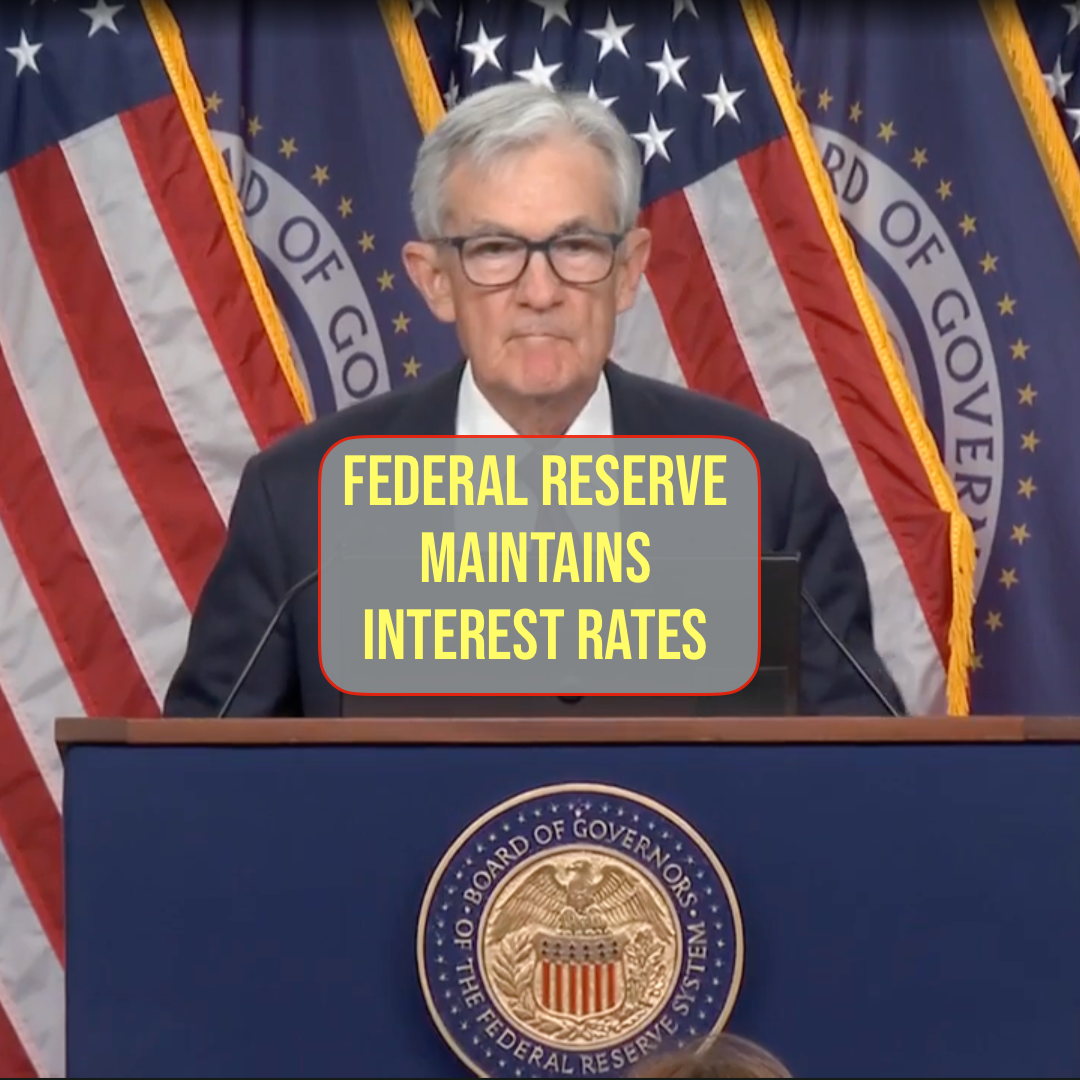
The Federal Reserve issued its statement on interest rates today. Stating little change in the job market and a “somewhat elevated, inflation number, the Federal Open Market Committee (FOMC) has decided to maintain interest rates at 3.25-3.75%.
Understanding the Decision
The FOMC and the Federal Reserve focus on two major goals. The first goal is to maintain around a 2% inflation rate. Too far above this rate means that prices are too high and are rising too quickly. Consumers have a hard time keeping up with the costs, and employers have a hard time keeping up with the demand for higher wages. As of February 2026, the 12-month inflation rate is at 2.4%, somewhat above the 2% goal. While this is technically 20% higher than the Fed would like, this rate is somewhat elevated, but still reasonable. Concern starts to grow when inflation rates are closer to or above 3%. Inflation rates have been a concern ever since President Trump pushed to enact tariffs on all foreign countries. However, inflation has fluctuated between 2.3-2.4 during the last 12 months or so.
The last several weeks have seen concerns with gas/oil prices, as the attacks on Iran have caused fears and issues with supply. March’s inflation numbers are likely to see a major boost because of those prices, and this could be part of the decision from the Fed.
The second goal for the Federal Reserve is to keep unemployment as low as possible. Unlike the inflation rate, there are no specific goals tied to the unemployment rate. As of the latest release on March 6, unemployment sits at 4.4%. The Fed and the U.S. Bureau of Labor Statistics have both stated that the employment rates have “changed little” month over month, but over several months combined, the unemployment rates seem to be slowly creeping up. Historically, rates around 4% are pretty solid, so right now, there is no major reason for concern, but a slow creep can start to feel alarming.
These factors together have led the Fed to keep interest rates where they are. The thinking is that unemployment is not too high, and inflation rates are still above goal. Dropping interest rates would essentially spur spending, likely creating economic activity to increase employment rates (which the Fed has said are not a problem), but would increase demand, thereby increasing the inflation rates.
Is it the Right Choice?
Interest rates are often at the center of politics, with those in charge hoping for a spur of economic activity, calling for lower rates. President Trump has done exactly that, criticizing the Federal Reserve and Chair Jerome Powell for a lack of action.
Right now, mortgage rates are still high, with a significant week-over-week jump from 6% to 6.11% last week. Likely, we are to see higher mortgage rates as the housing market picks up, and no movement from the Federal interest rates won’t help here.
It’s hard to say if this was the best decision, as inflation rates are rather low when considering the historical data. Jobs could use a boost, and buyers could use a hand with new home purchases, but is weighing inflation over employment and mortgage rates the right move? Everyone has their own opinion or experience, but the economy will likely need a boost with lower interest rates later in the year, especially if the job market does not pick up on its own.
About the Author
